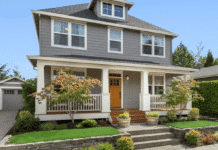



















Costly Mistakes Buyers Make on a Campbell Condo for Sale

Timothy Alston | Broker
Aegis Luxury Real Estate · DRE# 01328224
Published
January 01, 2026
Small-town charm, Silicon Valley access
Buyers searching for a campbell condo for sale in the Campbell market make the same costly preparation mistakes before they ever tour a single property. Skipping pre-approval, ignoring credit score impact on loan terms, and failing to clarify real priorities are the hidden mistakes buyers make that quietly eliminate them from contention. In a market where average days on market sit around 10 days, preparation is the only reliable edge a buyer controls.
You know how you keep telling yourself this is the year you are finally going to make a move? And then the market feels uncertain, life fills in the gaps, and somehow another few months pass without anything changing?
A lot of buyers in Campbell homes for sale are sitting in exactly that spot right now. But here is the part most people have not stopped to think about yet: the buyers who end up at the closing table are rarely the ones who moved fastest. They are the ones who prepared earliest.
So what does your housing situation actually look like right now?
What Is Your Current Situation Really Costing You?
Are you renting, watching your lease renew at a higher number each year? Are you living somewhere that no longer fits where your life is headed? How long have you been in that situation, and what is it actually costing you, not just in dollars, but in flexibility and peace of mind?
One of the most overlooked mistakes buyers make is treating the preparation phase as something to handle later, once they find a home they love. But by then, the decisions have already been made for you. Your credit score is what it is. Your savings are what they are. Your pre-approval reflects the choices you made in the months before you ever walked through a front door.
Can you see how buyers who do this work quietly, months before they need it, end up in a completely different position?
Campbell real estate entered one of its most competitive stretches on record during this period. Mortgage rates near historic lows and compressed inventory pushed buyer demand to extremes. Homes in Campbell regularly received multiple offers within days of listing, often well above asking price. Buyers hunting for a campbell condo for sale who had completed their preparation months in advance were the ones who could move decisively when the right property appeared. Those who waited until they found a home they loved to get pre-approved lost out repeatedly before adjusting their approach.
Why Buyer Demand Is Building Again in Campbell
New survey data from NerdWallet points to something worth paying attention to. Last year, 15 percent of respondents said they planned to buy a home within the next 12 months. This year, that number climbed to 17 percent. A two-point shift may sound modest, but in a market where buyer demand had been cooling for several years, it signals real momentum building beneath the surface.
For the Campbell real estate market, that dynamic matters directly. When more buyers start planning at the same time, well-priced homes attract more competition and inventory tightens. The buyers who are ready to move clearly when the right home appears are in a fundamentally different position than those scrambling to pull paperwork together while another offer lands on the table.
Does that make sense as a way to think about the timing here?
When mortgage rates climbed sharply beginning in mid-2022, buyer activity across Santa Clara County pulled back significantly. A campbell condo for sale that once attracted a dozen offers began sitting on the market for weeks. For buyers who had been priced out during the frenzy, this created an unexpected window of opportunity. Those who had continued building savings and protecting their credit scores during the heated years were positioned to step in during a moment when competition had eased considerably. Preparation done during a waiting period rarely goes to waste.
The 4 Costly Mistakes Buyers Make on a Campbell Condo for Sale
If buying in Campbell is on your radar, there are four preparation steps worth tackling now. These are not large commitments. They are clarity-building moves that compound over time.
Skipping pre-approval until the last minute. A pre-approval gives you a real picture of your buying power and what your monthly payment looks like at current loan terms. According to Experian, most pre-approvals are valid for 30 to 90 days, so timing matters. Waiting on this step is one of the most costly mistakes buyers make in a competitive market.
Running rough numbers instead of real ones. Not an estimate. A real look at your monthly expenses, your current obligations, and what a mortgage payment would mean for your budget. Buyers who skip this step sometimes stretch further than they are comfortable with, and that creates stress long after closing day and the escrow process are complete.
Never writing down their actual priorities. Location, commute, layout, lifestyle needs. Getting clear on your non-negotiables before touring a campbell condo for sale keeps your decision-making grounded when the pressure of a fast-moving market starts to build. Have you ever written that list down, or has it only ever lived in your head?
Choosing a broker too late, or not carefully enough. Read reviews. Talk to more than one person. The right broker does more than unlock doors. They help you understand pricing strategy, local market conditions, and how to structure an offer that holds up through the inspection and title insurance process. Working with someone who genuinely knows Campbell real estate is not a luxury. It is a real competitive advantage.
Campbell real estate is entering a phase defined less by frenzy and more by preparation. Average days on market have stabilized around 10 days, giving buyers slightly more time to think, but well-priced homes in desirable pockets of the city still move quickly. The buyers gaining the most traction today are not necessarily the ones with the largest budgets. They are the ones who arrived at the table with their pre-approval in hand, their finances organized, and a clear sense of their priorities. Whether you are targeting a campbell condo for sale or a single-family home, preparation is now the defining competitive advantage in this market.
What If Buying Later in the Year Feels More Realistic?
That does not mean this moment is irrelevant. The low-pressure months before you are actively searching are exactly when preparation compounds. Here is what that looks like in practice.
Work on your credit score intentionally. You do not need a perfect score to buy a campbell condo for sale, but your score has a direct impact on your loan terms and mortgage rate. Paying down existing debt and keeping payments consistent over several months can move the number meaningfully. What would a lower interest rate mean for your total cost over 30 years?
Automate your down payment savings. Manual transfers get skipped. Automatic ones do not. Setting up a recurring transfer into a dedicated savings account removes the decision from your daily routine and builds the habit without relying on willpower.
Put unexpected cash to work. Tax refunds, bonuses, freelance income. Any windfall between now and when you buy belongs in your house fund. Those one-time deposits can close the gap between where your savings are today and where they need to be at closing.
What Happens If You Keep Waiting Without a Plan?
Here is the question worth sitting with honestly. If nothing changes in your approach, if you keep meaning to get ready but the months keep moving, where does that leave you in three years?
Property values in the Campbell market have appreciated consistently over the past decade. Buyers who purchased homes in Campbell five years ago have seen substantial equity accumulation that renters in the same period did not capture. Every month you rent is a month your landlord builds home equity that could have been yours.
That is not pressure. It is just math. And it is worth asking yourself whether the version of you three years from now would wish you had started the preparation work sooner. Are you with me on that?
If buying a home in Campbell is genuinely on your list, the next step does not have to be a large one. It can be a single conversation to look at where you are financially, where you want to be, and what the realistic path between those two points looks like. Not a pitch. Not a commitment. Just a straightforward look at the numbers with someone who knows this market well.
Timothy Alston, Broker, DRE# 01328224, is available for exactly that kind of conversation. Reach out at (408) 207-4593 and let him know where you are in the process. The next step is yours to take, whenever it makes sense for you.
Schools in Campbell
Aegis School Excellence Index · 2024-25 performance data
Serving districts: Campbell Union SD (K-8), Campbell Union High SD (9-12). School district boundaries can change; please verify current enrollment boundaries and program offerings directly with the school district.
Consider This
Have you explored how Saratoga’s neighborhoods vary from the foothills to the flatlands in price and character? Get our Saratoga neighborhood-by-neighborhood guide.
Want to talk through your Campbell options? 15-minute strategy call, no obligation.
Schedule a Call →If you are buying in Campbell, get a sewer lateral inspection. Many older Campbell homes have clay sewer lines that may need replacement.
Browse Campbell homes for sale
Free Download
Get the Complete Campbell Market Report
Monthly data, neighborhood breakdowns, price trends, and insider analysis delivered to your inbox.
Send Me the Report →Frequently Asked Questions
Still have questions about Campbell?
I’ve helped hundreds of families buy and sell in Campbell. Happy to share what I’m seeing in your specific neighborhood.
Free Home Valuation
What’s Your Campbell Home Worth?
Get an instant estimate powered by RealScout.
Get My Campbell Home Value →


Looking for homes in Campbell?
Get personalized listing alerts delivered to your inbox. Be the first to know about new homes that match your criteria in Campbell.
Get Campbell Listing Alerts →Community Resources
Campbell Essential Services


Official Sources
Ready to find your perfect home in Campbell?
Browse all available Campbell listings, explore neighborhood guides, and get personalized market insights.
Search Campbell Homes →Timothy Alston
Broker · DRE# 01328224
Aegis Luxury Real Estate
Harvard Business School Online, Certified Master Negotiation
23+ Years Silicon Valley Real Estate Experience
Retired Military Veteran
Copyright © 2026 MLSListings Inc. All rights reserved.
The data relating to real estate for sale on this display comes in part from the Internet Data Exchange program of the MLSListings™ MLS system. Real estate listings held by brokerage firms other than Aegis Luxury Real Estate are marked with the Internet Data Exchange icon and detailed information about them includes the names of the listing brokers and listing agents.
Based on information from the MLSListings MLS as of June 12, 2026. All data, including all measurements and calculations of area, is obtained from various sources and has not been, and will not be, verified by broker or MLS. All information should be independently reviewed and verified for accuracy. Properties may or may not be listed by the office/agent presenting the information.
These statistics are generated using information from the MLSListings Inc. multiple listing service, but have not been verified and are not guaranteed. MLSListings Inc. disclaims any responsibility for the accuracy and reliability of these statistics. This information should not be relied upon for real estate transaction decisions.
Data updated every 15 minutes. Visit www.MLSListings.com for more information.
Information provided is for general informational purposes only. Equal Housing Opportunity. If you are currently working with a real estate agent, this is not intended as a solicitation.
Aegis Luxury Real Estate · Timothy Alston, Broker, DRE# 01328224 · 10080 N. Wolfe Rd Ste SW3-200, Cupertino CA 95014 · (408) 207-4593
Last updated: August 02, 2026 | Data reflects August 2026 MLS statistics