



















3 Surprising Things Buyers Miss About New Homes in Gilroy

Timothy Alston | Broker
Aegis Luxury Real Estate · DRE# 01328224
Published
January 16, 2024
Garlic capital, South Valley gateway
If the resale market in Gilroy keeps disappointing you, newly built homes may be the overlooked answer you have not yet seriously considered. New construction now makes up roughly 31% of total available inventory nationwide, more than double the historical average of 12%, according to the National Association of Home Builders. That shift changes your options in ways most buyers searching for new homes in Gilroy have not fully mapped out.
You know how it goes. You open the apps, you scroll through the same listings, and nothing quite fits. The homes that do appear are either priced beyond your range, need more work than you want to take on, or disappear before you can even schedule a tour. And so you wait. Another month. Another season. Another year.
But here is the part most people have not stopped to think about yet: what if the house you have been searching for was never on the resale market to begin with? What if the answer was sitting in a community that just broke ground six months ago? A lot of buyers in Gilroy are realizing exactly that right now, and the ones who act on it earliest tend to come out ahead on price and terms.
Where Has All the Inventory Gone?
What does your housing search actually look like right now? Are you refreshing the same real estate apps, watching the same properties cycle in and out, wondering if something better is going to show up?
That experience is not unique to you. The supply of existing homes remains historically low across most markets, and Gilroy real estate is no exception. When inventory is tight, competition hardens. Prices hold firm. Sellers hold the leverage. And buyers, especially those who need to sell their current home first, can end up stuck in a loop with no clear exit.
So the question worth sitting with honestly is this: have you ever stopped to think that the solution might not exist in the resale pool at all? What if the hidden answer has been in new construction this entire time?
What Buyers Often Miss About New Homes in Gilroy
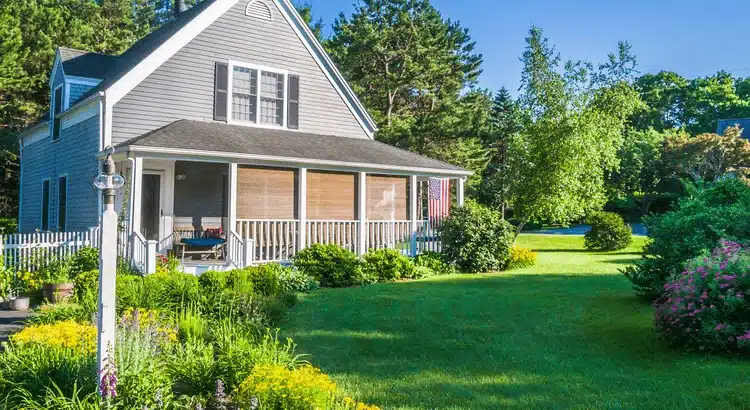
Think about what a newly built home actually means in practical terms. New appliances. Fresh finishes. No deferred maintenance inherited from a previous owner. No wondering what is hiding behind the walls. Everything is under warranty, and you are the first person to live there.
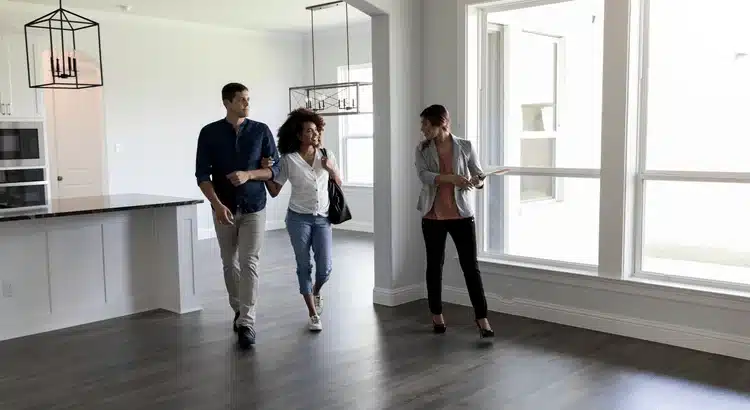
What would it mean for your family to walk into a home in Gilroy where nothing needs fixing on day one? No repair contingencies eating into your budget. No seller disclosures that make your stomach drop. Just a clean start on your own terms.
And there is more to it than that. Many builders are currently offering mortgage rate buydowns as a sales incentive. Patrick Duffy, Senior Real Estate Economist at U.S. News, notes that builders have used rate buydowns for years when interest rates climb, and more of them today are offering buydowns that cover the entire loan term. That means lower monthly payments than you might have assumed possible when you first ran the numbers.
Can you see how that changes the math on a purchase you may have written off as out of reach?
What the Construction Numbers Mean If You Are Searching for New Homes in Gilroy
Here is where the data gets worth paying attention to. The U.S. Census recently reported an uptick in both housing starts and completions. More builders are breaking ground. More homes are crossing the finish line on schedule.
Lawrence Yun, Chief Economist at the National Association of Realtors, has been direct about this: the market could absorb another 30% rise in construction without blinking. The housing shortage is real, but new construction is one of the few levers actively addressing it.
New communities in the broader Santa Clara County corridor, including developments accessible to Gilroy homes for sale seekers, are coming to market with move-in timelines that can actually coordinate with your current situation. Whether you need 60 days or six months to close on your existing home, a builder’s timeline can sometimes be shaped around yours in ways a private seller never could accommodate.
What would it mean for your stress level if you could align your sale and your purchase without the usual scramble? Communities like Glen Loma Ranch in Gilroy have been attracting buyers who originally focused entirely on resale inventory, largely because the energy-efficient floor plans and modern finishes deliver value that older homes simply cannot match at the same price point.
Average home prices in Gilroy sit at approximately $1,668,791 as of mid-2026, with active listings averaging just 10 days on market. New homes in Gilroy that are priced and positioned correctly are not sitting idle.
The Part Most Buyers Miss When They Consider New Construction
Buying from a builder is not the same as buying from a private seller. The contracts are different. The negotiation points are different. The builder’s sales representative works for the builder, not for you.
That is not a reason to avoid new construction. It is a reason to walk in prepared. A licensed broker who knows the local market can review builder contracts, identify where there is room to negotiate on upgrades, lot premiums, or closing costs, and make sure your interests are protected from the first walkthrough to the final signature.
What happens if you walk into that builder’s office alone, without someone who has reviewed those contracts before? How confident are you that you would catch what needs catching before you sign?
The builder’s rep is skilled at their job. You want someone equally skilled at yours. That gap is where buyers often lose money they did not have to lose.
What Does Staying Put Actually Cost You?
Here is the consequence question worth sitting with honestly. If nothing changes, if you keep waiting for the perfect resale property to appear, where does that put you in three years?
Still in a home that no longer fits your life? Still watching equity build in a property you have outgrown? Still renting and paying someone else’s mortgage while home values in Gilroy continue to move?
The Gilroy market is not standing still. New homes in Gilroy that fit your needs today may not be available at the same price point six months from now. That is not pressure. That is just math worth doing on your own terms, before circumstances do it for you. New construction inventory, when it arrives, moves. And when a specific plan or lot is gone, it is gone.
Based on what buyers across Santa Clara County are discovering, new construction might actually be closer to what you have been looking for all along. The question is whether you want to find out before or after the best options are taken.
If what you have read here is starting to sound like something worth exploring, the next step is a straightforward conversation. Not a pitch. Not a sales call. Just a real look at what is actually available, what the numbers say for your specific situation, and whether new homes in Gilroy are the move that makes sense for you right now. Timothy Alston, Broker, can be reached at (408) 207-4593. No pressure. Just the information you need to decide for yourself.
Schools in Gilroy
Aegis School Excellence Index · 2024-25 performance data
Serving districts: Gilroy Unified SD (K-12). School district boundaries can change; please verify current enrollment boundaries and program offerings directly with the school district.
Consider This
What if you could trade your current home for a Los Gatos property without a gap in housing? Ask about our bridge strategy for Los Gatos buyers and sellers.
Want to talk through your Gilroy options? 15-minute strategy call, no obligation.
Schedule a Call →Gilroy homes with well water and septic systems require special inspections. Always test the well and inspect the septic before closing.
Browse Gilroy homes for sale
Free Download
Get the Complete Gilroy Market Report
Monthly data, neighborhood breakdowns, price trends, and insider analysis delivered to your inbox.
Send Me the Report →Frequently Asked Questions
Still have questions about Gilroy?
I’ve helped hundreds of families buy and sell in Gilroy. Happy to share what I’m seeing in your specific neighborhood.
Free Home Valuation
What’s Your Gilroy Home Worth?
Get an instant estimate powered by RealScout.
Get My Gilroy Home Value →


Looking for homes in Gilroy?
Get personalized listing alerts delivered to your inbox. Be the first to know about new homes that match your criteria in Gilroy.
Get Gilroy Listing Alerts →Community Resources
Gilroy Essential Services

Official Sources
Ready to find your perfect home in Gilroy?
Browse all available Gilroy listings, explore neighborhood guides, and get personalized market insights.
Search Gilroy Homes →Timothy Alston
Broker · DRE# 01328224
Aegis Luxury Real Estate
Harvard Business School Online, Certified Master Negotiation
23+ Years Silicon Valley Real Estate Experience
Retired Military Veteran
Copyright © 2026 MLSListings Inc. All rights reserved.
The data relating to real estate for sale on this display comes in part from the Internet Data Exchange program of the MLSListings™ MLS system. Real estate listings held by brokerage firms other than Aegis Luxury Real Estate are marked with the Internet Data Exchange icon and detailed information about them includes the names of the listing brokers and listing agents.
Based on information from the MLSListings MLS as of June 10, 2026. All data, including all measurements and calculations of area, is obtained from various sources and has not been, and will not be, verified by broker or MLS. All information should be independently reviewed and verified for accuracy. Properties may or may not be listed by the office/agent presenting the information.
These statistics are generated using information from the MLSListings Inc. multiple listing service, but have not been verified and are not guaranteed. MLSListings Inc. disclaims any responsibility for the accuracy and reliability of these statistics. This information should not be relied upon for real estate transaction decisions.
Data updated every 15 minutes. Visit www.MLSListings.com for more information.
Information provided is for general informational purposes only. Equal Housing Opportunity. If you are currently working with a real estate agent, this is not intended as a solicitation.
Aegis Luxury Real Estate · Timothy Alston, Broker, DRE# 01328224 · 10080 N. Wolfe Rd Ste SW3-200, Cupertino CA 95014 · (408) 207-4593
Last updated: August 21, 2026 | Data reflects August 2026 MLS statistics