



















5 Cleaning Habits Costing Los Gatos Homeowners More

Timothy Alston | Broker
Aegis Luxury Real Estate · DRE# 01328224
Published
March 04, 2021
Foothill sophistication, downtown heart
Most homeowners assume their cleaning routine is working. But a closer look at five common cleaning habits reveals patterns that waste time, damage surfaces, and quietly reduce the value of a home. If you own property in Los Gatos, where home equity is a serious asset, better housekeeping is not just about comfort. It is about protecting what you own.
What Do Your Current Cleaning Habits Actually Cost You?
You know how you finish cleaning and somehow the house still does not feel clean? And you spend more time re-doing surfaces you already wiped down? A lot of homeowners in Los Gatos are dealing with exactly that right now. But here is the part most people have not stopped to think about yet: the habits they trust are often the ones slowing them down.
Have you ever stopped to think about whether your cleaning routine is actually maintaining your home, or quietly wearing it down? That is a different question than most people ask. And the answer changes how you approach every room.
Habit 1: Cleaning Out of Order
What order do you clean in? If you vacuum before you dust, you are doing the work twice. Dust that falls from shelves and surfaces lands right back on the floor you just cleaned.
The proven approach is simple: always dust first, work from the top of the room down, then vacuum or sweep last. Dust that escapes your cloth settles on the floor where it can be picked up in one final pass. Can you see how that single shift could cut your cleaning time in half?
Most cleaning routines passed down through households were built around available products and general common sense, not tested methodology. Homeowners cleaned the way their parents cleaned, rarely questioning the sequence or the tools. In markets like Los Gatos real estate, where homes carry significant value, those inherited habits have a real cost. A surface damaged by the wrong cleaner or the wrong technique is a surface that shows during a home inspection or a buyer walkthrough. The homes that hold their value best are maintained with intention, not just routine.
Habit 2: Using Dirty Cleaning Tools
Here is a question worth sitting with: how can a dirty sponge clean anything?
A soiled cloth dragged across a countertop does not remove bacteria. It spreads it. A vacuum with a full bag loses suction and stops picking up what it should. A duster caked with old debris just redistributes dust to new surfaces. These 5 cleaning missteps happen in nearly every household, often without the homeowner realizing it.
The fix is straightforward. Wash your tools with hot water and disinfectant after each use. Check whether filters or bags need replacing. For appliances like dishwashers and washing machines, the manual will tell you exactly how to keep them running at full efficiency. Does that make sense as a starting point?
Habit 3: Using Too Much Cleaning Product
More product equals better results, right? Actually, that assumption is one of the costlier cleaning habits to carry.
Any residue left behind from too much cleaner becomes a magnet for dust and dirt. Too much laundry detergent forces you to re-wash the load. Too much floor cleaner leaves a film that attracts grime faster than a clean surface would. You end up doing more work, not less, and spending more on products in the process.
The label exists for a reason. If the manufacturer says one capful, one capful is what works. Over-applying is simply waste: waste of water, time, and money. What would it mean for your routine if you cut product use in half and actually got cleaner results?
The cleaning product market expanded rapidly through this decade, with new formulas promising faster, stronger results. The marketing message was clear: more is better. Households stocked cabinets with specialty products for every surface and used them generously. But the residue problem compounded over time. In homes across the Santa Clara Valley, surfaces like natural stone countertops and hardwood floors absorbed years of product buildup. Buyers and inspectors began noticing finish damage that could have been avoided entirely with measured, label-directed use. Better housekeeping, it turns out, often means using less.
Habit 4: Reaching for Harsh Cleaners First
Chlorine bleach is effective. It is also one of the most overused products in home care. Used on the wrong surface, it strips finishes, discolors materials, and degrades the very things you are trying to protect.
Most routine cleaning tasks require nothing stronger than a gentle, natural cleaner. These are safer for your family, safer for pets, and safer for the surfaces that contribute to your home’s appearance and value. If bleach is genuinely necessary, a small amount applied carefully is enough. The goal of good cleaning habits is to clean without causing damage in the process.
Are you with me on this? The question is not just whether the surface looks clean today. It is whether the finish will still look good in five years.
Since 2019, the average home in Los Gatos homes for sale listings have reflected a consistent truth: well-maintained interiors command stronger offers. Buyers in this market are sophisticated. They notice worn finishes, damaged surfaces, and deferred maintenance immediately. Sellers who treated their home as an investment, including the way they cleaned and maintained it year over year, consistently saw stronger equity positions at closing. The connection between daily cleaning habits and long-term property value is not abstract in a market like this. It is measurable.
Habit 5: Skipping the Label Before You Clean
This is the one most people skip because it feels unnecessary. But not reading the label on a cleaning product before using it is a reliable way to waste time, damage a surface, or undo work you just did.
Labels tell you how long a product needs to sit to be effective, which surfaces it works on, how much to use, and how to store it safely. A disinfectant spray that needs 30 seconds of contact time does nothing if you wipe it away immediately. A cleaner rated for tile that gets applied to sealed hardwood can cause real damage. These 5 cleaning oversights are avoidable, and the instructions are already printed on every bottle.
What would it cost you to spend 30 seconds reading the label before you start? And what might it save you in damaged surfaces, wasted product, and repeat cleaning sessions?
What Happens If the Habits Stay?
Here is a consequence question worth sitting with honestly. If your current cleaning routine continues unchanged for the next three to five years, what condition will your home’s surfaces, finishes, and appliances be in? In the Los Gatos market, where buyers scrutinize condition carefully and sellers compete on presentation, that question has a financial answer.
Homes that are maintained with intention, not just cleaned occasionally, tend to hold their value better. Better housekeeping is not a lifestyle preference. In a market where property values are meaningful, it is a form of asset protection.
If you are thinking about how your home’s condition connects to its current market value, that is exactly the kind of conversation Timothy Alston, Broker (DRE# 01328224) at Aegis Luxury Real Estate, has every day. Not a sales call. Just a straightforward look at where your home stands and where you want it to be. Would that kind of conversation be useful to you? Reach out at (408) 207-4593.
Schools in Los Gatos
Aegis School Excellence Index · 2024-25 performance data
Serving districts: Los Gatos Union Elementary SD (K-8), Los Gatos-Saratoga Joint Union High SD (9-12). School district boundaries can change; please verify current enrollment boundaries and program offerings directly with the school district.
Consider This
What if you could trade your current home for a Los Gatos property without a gap in housing? Ask about our bridge strategy for Los Gatos buyers and sellers.
Want to talk through your Los Gatos options? 15-minute strategy call, no obligation.
Schedule a Call →If your Los Gatos home backs up to open space or a greenbelt, this is a permanent amenity that adds lasting value. Feature it in your listing.
Browse Los Gatos homes for sale
Free Download
Get the Complete Los Gatos Market Report
Monthly data, neighborhood breakdowns, price trends, and insider analysis delivered to your inbox.
Send Me the Report →Frequently Asked Questions
Still have questions about Los Gatos?
I’ve helped hundreds of families buy and sell in Los Gatos. Happy to share what I’m seeing in your specific neighborhood.
Free Home Valuation
What’s Your Los Gatos Home Worth?
Get an instant estimate powered by RealScout.
Get My Los Gatos Home Value →

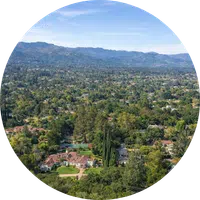
Looking for homes in Los Gatos?
Get personalized listing alerts delivered to your inbox. Be the first to know about new homes that match your criteria in Los Gatos.
Get Los Gatos Listing Alerts →Community Resources
Los Gatos Essential Services


Official Sources
Ready to find your perfect home in Los Gatos?
Browse all available Los Gatos listings, explore neighborhood guides, and get personalized market insights.
Search Los Gatos Homes →Timothy Alston
Broker · DRE# 01328224
Aegis Luxury Real Estate
Harvard Business School Online, Certified Master Negotiation
23+ Years Silicon Valley Real Estate Experience
Retired Military Veteran

Copyright © 2026 MLSListings Inc. All rights reserved.
The data relating to real estate for sale on this display comes in part from the Internet Data Exchange program of the MLSListings™ MLS system. Real estate listings held by brokerage firms other than Aegis Luxury Real Estate are marked with the Internet Data Exchange icon and detailed information about them includes the names of the listing brokers and listing agents.
Based on information from the MLSListings MLS as of June 12, 2026. All data, including all measurements and calculations of area, is obtained from various sources and has not been, and will not be, verified by broker or MLS. All information should be independently reviewed and verified for accuracy. Properties may or may not be listed by the office/agent presenting the information.
These statistics are generated using information from the MLSListings Inc. multiple listing service, but have not been verified and are not guaranteed. MLSListings Inc. disclaims any responsibility for the accuracy and reliability of these statistics. This information should not be relied upon for real estate transaction decisions.
Data updated every 15 minutes. Visit www.MLSListings.com for more information.
Information provided is for general informational purposes only. Equal Housing Opportunity. If you are currently working with a real estate agent, this is not intended as a solicitation.
Aegis Luxury Real Estate · Timothy Alston, Broker, DRE# 01328224 · 10080 N. Wolfe Rd Ste SW3-200, Cupertino CA 95014 · (408) 207-4593
Last updated: July 05, 2026 | Data reflects July 2026 MLS statistics