





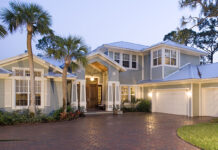









The Hidden Truth About How to Buy Houses San Jose First-Timers Miss
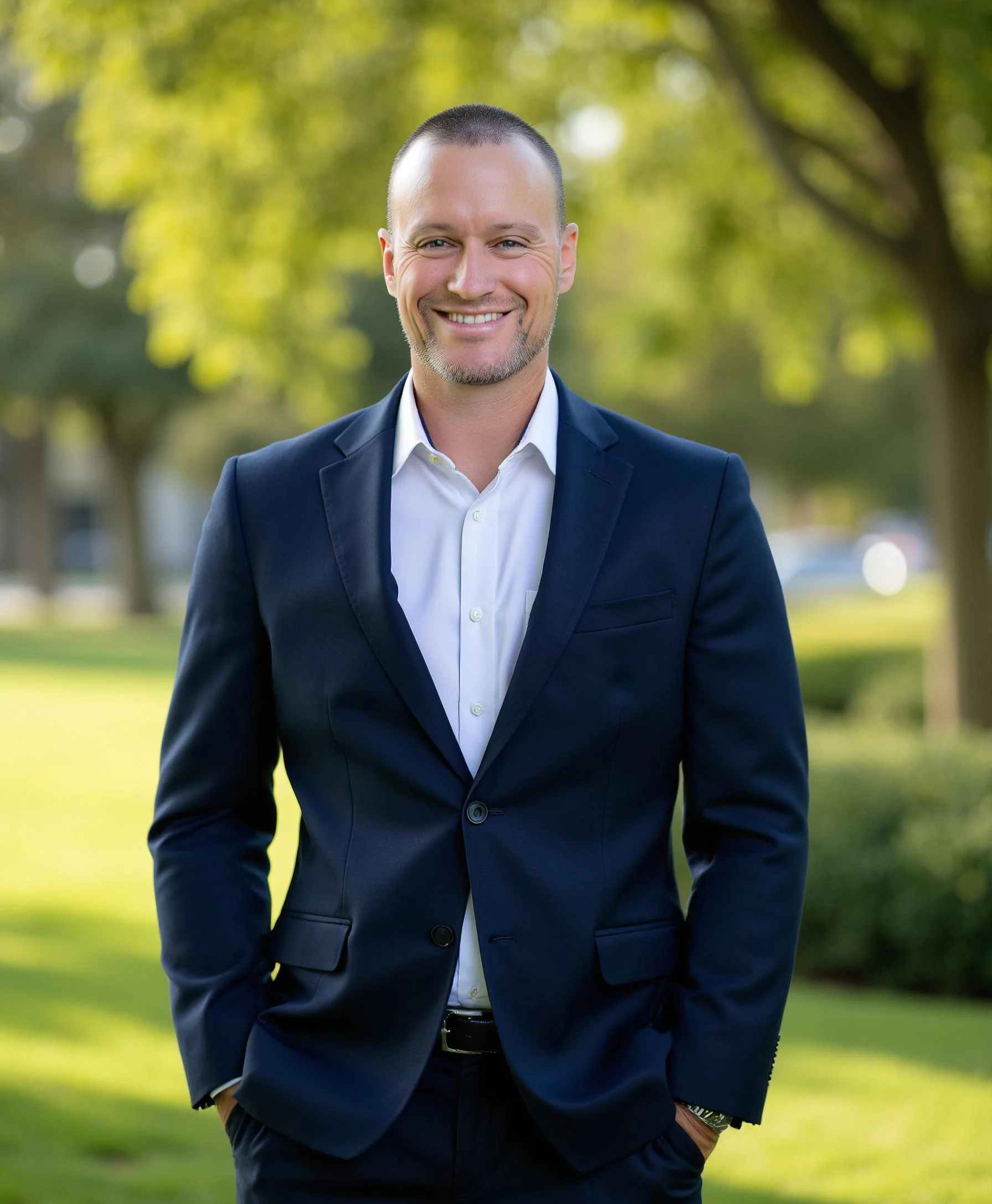
Timothy Alston | Broker
Aegis Luxury Real Estate · DRE# 01328224
Published
May 15, 2024
Capital of Silicon Valley
Condos in San Jose typically sell at a meaningfully lower average price than single-family homes, require less exterior maintenance, and come with built-in amenities that reduce the real cost of ownership. For first-time buyers priced out of the single-family market, a condo is often the most realistic and financially sound home option available right now in Santa Clara County.
You know how it goes. You set a budget, you start searching, and then the listings hit you like a wall. The prices you see do not match the number your lender gave you. Every time you try to make something work, you end up feeling like you are either stretching too far or settling for less. A lot of people trying to buy houses in San Jose are running into exactly that right now.
But here is the part most people have not stopped to think about yet: the home you have been picturing in your head might actually be the thing standing between you and the home that changes your financial life.
What Does Your Housing Situation Actually Look Like Right Now?
Are you renting? Have you ever stopped to add up every dollar you have paid in rent over the last three years and asked yourself what you actually have to show for it? Not what you got in return for the money, but what you own. What you built. What you kept.
For most renters, that answer is zero. And every month that number grows.
Now ask yourself this: if a lower-priced home option got you into ownership this year, instead of waiting another two or three years for conditions that may never arrive, what would it mean to start building equity right now instead of someone else’s?
Why People Who Want to Buy Houses in San Jose Keep Overlooking Condos
According to data from the National Association of Realtors, condos sell at a significantly lower average price than single-family homes. In a market like San Jose, where property values rank among the highest in the country, that price gap is not a rounding error. It could be the difference between getting into ownership this year or still renting three years from now.
Rocket Mortgage puts it plainly: condos are strong choices for first-time buyers who want real ownership without the full burden of property upkeep. That is not a marketing line. That is a practical reality that a lot of buyers miss because they are so focused on the image of a yard and a garage that they walk right past the opportunity in front of them.
Can you see how that works? The goal was never a specific type of property. The goal was ownership. Equity. Stability. A condo can deliver all three.
What You Actually Get When You Buy Houses in San Jose as a Condo Owner
Here is what condo ownership looks like in practice, because this is where most buyers are genuinely surprised.
Less maintenance, more time. When you own a condo, the exterior upkeep, landscaping, and structural repairs are handled through the homeowners association. You pay an HOA fee, and in exchange, a significant category of homeowner stress disappears. For a first home, that is not a small thing.
Equity starts on day one. Every mortgage payment you make builds your net worth. As San Jose real estate continues to appreciate over time, that equity compounds. It becomes leverage. Leverage to move up when your life calls for more space, a different neighborhood, or a completely different situation.
Amenities without the work. Many condos include pools, fitness centers, and secured parking. You access all of it. You maintain none of it. For someone coming from an apartment, this is often a net upgrade in lifestyle, not a step down.
Does that make sense? Are you seeing how a condo might actually solve problems you did not even know you were carrying?
The Real Cost of Waiting to Buy Houses in San Jose
Here is a question worth sitting with seriously: what happens if nothing changes?
If you keep renting for the next three to five years while you wait for the perfect single-family home at the perfect price, where does that leave you financially? How much equity will you have built? How much will average home prices in the San Jose market have moved by then?
Bankrate notes that condo ownership lets buyers start building equity and net worth from the moment they close escrow. That compounding effect, home value appreciation plus principal paydown, is what separates buyers who got in from buyers who kept waiting. The San Jose condo market has shown consistent buyer demand, with well-priced units in commute-friendly neighborhoods often receiving multiple offers within the first week of listing. Pre-approval and a clear offer strategy matter significantly in this environment.
A condo is a smart first home option not because it is perfect, but because it is real. It is available. It is achievable. And for many buyers exploring San Jose homes for sale, the condo inventory may surprise you in the best possible way.
Is a Condo Actually the Right Home Option for You?
Buying a condo is ultimately a lifestyle decision. Living closer to neighbors, sharing common spaces, being part of a managed community: some people love that setup. Others do not. Neither answer is wrong.
But before you rule it out, ask yourself this: are you making that decision based on real information, or based on an image you picked up somewhere along the way?
A lot of buyers who walked into their first condo thinking it was a compromise walked out thinking it was exactly right. Your first home does not have to be your forever home. It just has to be a start. The equity you build in a condo becomes the down payment that opens every door after this one.
If you could lock in a monthly payment that builds your net worth instead of someone else’s, without the maintenance burden of a full property, and at a price that fits your actual approval amount, what would that be worth to you?
That is the conversation worth having. Not a pitch. Not a pressure call. Just a clear look at what is actually available in San Jose right now and whether the numbers work for your specific situation. Reach out to Timothy Alston, Broker, at (408) 207-4593 whenever that conversation feels right. The next step is yours to take.
Schools in San Jose
Aegis School Excellence Index · 2024-25 performance data
Serving districts: San Jose Unified SD, Alum Rock Union Elementary SD, Berryessa Union SD, Cambrian SD, Campbell Union SD (partial), East Side Union High SD, Evergreen Elementary SD, Franklin-McKinley SD, Luther Burbank SD, Moreland SD, Mount Pleasant SD, Oak Grove SD, Orchard SD, Union SD. School district boundaries can change; please verify current enrollment boundaries and program offerings directly with the school district.
Consider This
What if you could trade your current home for a Los Gatos property without a gap in housing? Ask about our bridge strategy for Los Gatos buyers and sellers.
Want to talk through your San Jose options? 15-minute strategy call, no obligation.
Schedule a Call →In San Jose, ADU construction is booming. If your property has space for an accessory dwelling unit, this potential adds real value to your listing.
Browse San Jose homes for sale
Free Download
Get the Complete San Jose Market Report
Monthly data, neighborhood breakdowns, price trends, and insider analysis delivered to your inbox.
Send Me the Report →Frequently Asked Questions
Still have questions about San Jose?
I’ve helped hundreds of families buy and sell in San Jose. Happy to share what I’m seeing in your specific neighborhood.
Free Home Valuation
What’s Your San Jose Home Worth?
Get an instant estimate powered by RealScout.
Get My San Jose Home Value →
Looking for homes in San Jose?
Get personalized listing alerts delivered to your inbox. Be the first to know about new homes that match your criteria in San Jose.
Get San Jose Listing Alerts →Community Resources
San Jose Essential Services


Official Sources
Ready to find your perfect home in San Jose?
Browse all available San Jose listings, explore neighborhood guides, and get personalized market insights.
Search San Jose Homes →Timothy Alston
Broker · DRE# 01328224
Aegis Luxury Real Estate
Harvard Business School Online, Certified Master Negotiation
23+ Years Silicon Valley Real Estate Experience
Retired Military Veteran
Copyright © 2026 MLSListings Inc. All rights reserved.
The data relating to real estate for sale on this display comes in part from the Internet Data Exchange program of the MLSListings™ MLS system. Real estate listings held by brokerage firms other than Aegis Luxury Real Estate are marked with the Internet Data Exchange icon and detailed information about them includes the names of the listing brokers and listing agents.
Based on information from the MLSListings MLS as of June 11, 2026. All data, including all measurements and calculations of area, is obtained from various sources and has not been, and will not be, verified by broker or MLS. All information should be independently reviewed and verified for accuracy. Properties may or may not be listed by the office/agent presenting the information.
These statistics are generated using information from the MLSListings Inc. multiple listing service, but have not been verified and are not guaranteed. MLSListings Inc. disclaims any responsibility for the accuracy and reliability of these statistics. This information should not be relied upon for real estate transaction decisions.
Data updated every 15 minutes. Visit www.MLSListings.com for more information.
Information provided is for general informational purposes only. Equal Housing Opportunity. If you are currently working with a real estate agent, this is not intended as a solicitation.
Aegis Luxury Real Estate · Timothy Alston, Broker, DRE# 01328224 · 10080 N. Wolfe Rd Ste SW3-200, Cupertino CA 95014 · (408) 207-4593
Last updated: July 29, 2026 | Data reflects July 2026 MLS statistics