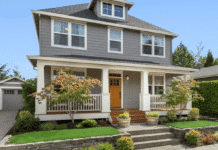



















The Costly Trap Hiding in New Homes Gilroy Sellers Miss

Timothy Alston | Broker
Aegis Luxury Real Estate · DRE# 01328224
Published
October 02, 2023
Garlic capital, South Valley gateway
Selling a home in Gilroy costs more than most sellers plan for. Beyond commissions and escrow fees, there are five overlooked expenses that quietly shrink your net proceeds before you ever reach the closing table: pre-listing preparation, professional staging, photography, post-inspection repairs, and seller concessions. Knowing all five before you list is what separates a smooth transaction from a costly one.
You know how you do the math on what you will walk away with, and the number looks solid on paper? And then things start showing up that never made it into the budget, and suddenly that closing check is smaller than you expected? A lot of homeowners in Gilroy are dealing with exactly that right now. But here is the part most people have not stopped to think about yet: none of these costs have to catch you off guard if you know where to look.
So let me ask you something. When you picture yourself at the closing table, what does that final number look like? Have you actually traced every dollar that leaves your pocket before you get there?
Where New Homes Gilroy Sellers Lose Money Before the First Showing
What does your home actually look like right now, compared to what a buyer expects to see? Not what you see every day after years of living there. What does a complete stranger see when they walk through the front door for the very first time?
Pre-listing preparation is where the costs begin, and it is where the trap gilroy sellers most often stumble into without realizing it. Deep cleaning, minor repairs, fresh paint, landscaping, and basic curb appeal all carry real price tags. If you hire out any of that work, the line items add up faster than most people expect. Even a self-managed prep job costs money in supplies and time.
Have you ever stopped to think about how much a buyer’s first impression is actually worth in dollar terms? Because the answer tends to show up directly in the offer price. A home that looks move-in ready commands a different number than one that signals deferred maintenance the moment someone steps inside.
Staging: The Overlooked Cost That Changes Buyer Behavior
Professional staging helps buyers do something that matters more than most sellers realize: it helps them mentally move in before they write an offer. That emotional connection often translates into a stronger price and fewer days on market.
Industry data puts average staging costs between $786 and $2,812, depending on home size and scope. If full staging feels like more than your situation calls for, even targeted decluttering, clear room function, and small visual touches like fresh flowers or updated hardware can shift buyer perception in a meaningful way.
But here is the question worth sitting with. Can you see how skipping this step in a market where buyers have options could quietly cost you more than the staging itself? The cost of not staging sometimes shows up as a lower offer, a longer time on market, or both.
Photography and the First Impression That Happens Before Anyone Visits
Nearly half of all buyers say the first thing they do is search online. That means your listing photos are doing the selling long before anyone schedules a showing. In the Gilroy real estate market, professional photography typically runs between $100 and $500 for standard packages. Drone footage, twilight shots, video walkthroughs, and virtual tours push that number higher.
At the price points typical for a gilroy home, these are not optional extras. They are the difference between a listing that generates scheduled appointments and one that gets scrolled past in thirty seconds.
What would it mean for your final sale price if buyers never made it past your listing photos? Does cutting this line item actually save you money, or does it cost you something much larger on the back end?
Post-Inspection Repairs: Where the Real Surprises Live
Here is something most sellers in new homes gilroy transactions do not account for until it is too late. The inspection report almost never comes back clean. Loose fixtures, aging water heaters, minor roof issues, or larger structural concerns can all surface once a buyer’s inspector walks through.
And once those items are on paper, the negotiation begins. Buyers often request that sellers address the most significant findings. You can negotiate, split costs, lower the price, or cover repairs outright. Whichever path you choose, there is almost always a financial impact.
Sellers who have kept up with routine maintenance tend to face smaller bills at this stage. Those who have deferred it often absorb the largest unexpected costs right here, at the moment when a deal is on the line.
How long have you been putting off that repair you keep meaning to handle? What is it actually costing you when the inspector finds it instead of you?
Seller Concessions and the Cost of Getting to the Closing Table
Seller concessions rarely appear in a seller’s initial budget, but they show up in most transactions. A buyer may ask you to cover a portion of their closing costs. They may request that specific appliances stay with the property. They may ask for a price reduction in lieu of repairs. All of these are forms of concession, and all of them reduce your net proceeds.
Concessions are not inherently bad. In a slower market, they can be exactly what moves a deal from stalled to closed. But they need to be anticipated, not discovered at the negotiation table when your options are limited.
For anyone exploring Gilroy homes for sale, understanding what sellers typically concede in this market gives useful context on both sides of the transaction. Buyers benefit from knowing what is negotiable. Sellers benefit from knowing what to budget for before the conversation starts.
What happens if nothing changes in your planning process? If you go to market without accounting for these five costs, where does that leave your net proceeds at the end?
What Knowing All Five Costs Actually Changes
Sellers who prepare for these expenses in advance consistently report a smoother transaction. When you know what is coming, you can price strategically, negotiate from a position of knowledge, and avoid the kind of last-minute scrambling that costs both time and money.
In the current Gilroy market, where average sale prices sit near $1.6 million and homes are moving in roughly ten days, the sellers who arrive prepared tend to walk away with the proceeds they planned on. The sellers who do not tend to discover the gap too late to close it.
The goal is not to scare you away from selling. It is to make sure the number you walk away with is the number you actually planned on, not a smaller version of it that appeared as a surprise two weeks before closing.
Do you feel like having a clear picture of these costs would change how you approach your listing strategy? If so, the next step is a straightforward conversation, not a pitch, not pressure, just a clear look at your specific situation and what it will actually cost you to sell well.
Reach out to Timothy Alston, licensed Broker, at (408) 207-4593 when you are ready to run the real numbers.
Schools in Gilroy
Aegis School Excellence Index · 2024-25 performance data
Serving districts: Gilroy Unified SD (K-12). School district boundaries can change; please verify current enrollment boundaries and program offerings directly with the school district.
Consider This
If you could own a newer-construction home in Milpitas at a fraction of Cupertino prices, would you look? Compare Milpitas new construction options and see the value difference.
Want to talk through your Gilroy options? 15-minute strategy call, no obligation.
Schedule a Call →If you are a first-time buyer, Gilroy often has more inventory in the entry-level price range than any other Santa Clara County city. Start your search here.
Browse Gilroy homes for sale
Free Download
Get the Complete Gilroy Market Report
Monthly data, neighborhood breakdowns, price trends, and insider analysis delivered to your inbox.
Send Me the Report →Frequently Asked Questions
Still have questions about Gilroy?
I’ve helped hundreds of families buy and sell in Gilroy. Happy to share what I’m seeing in your specific neighborhood.
Free Home Valuation
What’s Your Gilroy Home Worth?
Get an instant estimate powered by RealScout.
Get My Gilroy Home Value →


Looking for homes in Gilroy?
Get personalized listing alerts delivered to your inbox. Be the first to know about new homes that match your criteria in Gilroy.
Get Gilroy Listing Alerts →Community Resources
Gilroy Essential Services


Official Sources
Ready to find your perfect home in Gilroy?
Browse all available Gilroy listings, explore neighborhood guides, and get personalized market insights.
Search Gilroy Homes →Timothy Alston
Broker · DRE# 01328224
Aegis Luxury Real Estate
Harvard Business School Online, Certified Master Negotiation
23+ Years Silicon Valley Real Estate Experience
Retired Military Veteran
Copyright © 2026 MLSListings Inc. All rights reserved.
The data relating to real estate for sale on this display comes in part from the Internet Data Exchange program of the MLSListings™ MLS system. Real estate listings held by brokerage firms other than Aegis Luxury Real Estate are marked with the Internet Data Exchange icon and detailed information about them includes the names of the listing brokers and listing agents.
Based on information from the MLSListings MLS as of August 21, 2026. All data, including all measurements and calculations of area, is obtained from various sources and has not been, and will not be, verified by broker or MLS. All information should be independently reviewed and verified for accuracy. Properties may or may not be listed by the office/agent presenting the information.
These statistics are generated using information from the MLSListings Inc. multiple listing service, but have not been verified and are not guaranteed. MLSListings Inc. disclaims any responsibility for the accuracy and reliability of these statistics. This information should not be relied upon for real estate transaction decisions.
Data updated every 15 minutes. Visit www.MLSListings.com for more information.
Information provided is for general informational purposes only. Equal Housing Opportunity. If you are currently working with a real estate agent, this is not intended as a solicitation.
Aegis Luxury Real Estate · Timothy Alston, Broker, DRE# 01328224 · 10080 N. Wolfe Rd Ste SW3-200, Cupertino CA 95014 · (408) 207-4593
Last updated: August 21, 2026 | Data reflects August 2026 MLS statistics