



















Hidden Risks Most Morgan Hill Buyers Miss When Building

Timothy Alston | Broker
Aegis Luxury Real Estate · DRE# 01328224
Published
March 23, 2022
Wine country meets Silicon Valley
Knowing if building a new home is right for you comes down to one honest question: how flexible is your timeline? New construction in the Morgan Hill market can offer exactly what you want, down to the finishes and floor plan. But supply chain disruptions and skilled labor shortages are extending builder timelines significantly across Santa Clara County, and buyers who do not factor those delays into their plans often end up in a difficult position.
You know how it feels when you have finally decided you are ready to move up, and you start weighing your options? Buy something already on the market, or build something exactly the way you want it? And since inventory is tight right now, both paths seem reasonable. But here is the part most buyers have not stopped to think about yet: the new construction path comes with some real friction that is not always visible from the outside.
So before you commit to either direction, it might be worth asking yourself a few questions first.
What Does Your Timeline Actually Look Like?
If you’re thinking about building, the first thing worth examining is how much flexibility you actually have. Are you in a lease that ends in six months? Do you have kids starting school in a new district next fall? Or are you in a position where you could wait twelve to eighteen months if the right home required it?
This is not a small question. Builder timelines that once ran six to nine months are stretching well beyond that in many cases. And if your situation has hard deadlines attached to it, that changes how you weigh your options considerably.
What would it mean for your family if your move-in date shifted by six months longer than you were told to expect?
How to Know If Supply Chain Delays Will Affect Your Build
Here is something a lot of buyers discover too late. It is not just lumber that is causing delays in new construction. According to HousingWire, nearly everything needed in the homebuilding process is facing some form of delay and price increase. Roofing materials, windows, garage doors, siding, drywall components; the list is longer than most people realize when they first start exploring new construction.
When supplies run short, costs go up. And when materials are not available, builders fall behind schedule. The National Association of Home Builders has stated that builders are grappling with supply chain issues that are extending construction times and increasing costs across the board.
Can you see how that could quietly shift the math on a new build, even if the base price looks attractive at first glance?
Buyers exploring Morgan Hill homes for sale sometimes assume new construction gives them more control over the process. In some ways it does. But control over timing is not always one of those advantages right now.
Is the Labor Shortage Something You Should Factor In?
Beyond materials, there is a second layer to this. Builders in Morgan Hill and across the region are also short on skilled workers, and that is not a new problem. Odeta Kushi, Deputy Chief Economist at First American, has noted that the skilled labor shortage in construction has been an ongoing issue for more than a decade.
Fewer workers means slower progress on job sites. And when you combine a materials delay with a labor delay, those timelines compound in ways that are hard to predict when you are signing a contract.
If you’re thinking about this carefully, what would you want to know before you committed to a builder’s projected completion date?
Does That Mean New Construction Is Off the Table?
Not at all. There is positive momentum in the labor market, with employment gains in the construction industry showing up in recent jobs reports. And some builders have built strong supplier relationships that help them manage delays better than others.
The point is not to steer you away from new construction. The point is to make sure you know if the trade-offs fit your specific situation before you commit.
Here is a useful way to think about it. If you have timeline flexibility, a higher tolerance for uncertainty during the build process, and a clear vision of what you want that you cannot find in existing inventory, new construction could still make a lot of sense. Homes in Morgan Hill that are newly built often come with modern energy efficiency, updated layouts, and no deferred maintenance to worry about on day one.
But if your timeline is tight, or if you’re working with a budget that does not have room for cost escalations mid-build, the existing home market may actually give you more predictability, even in a competitive environment.
How would it change your approach if you knew exactly what questions to ask a builder before signing anything?
What Happens If You Just Wait and See?
This is worth sitting with for a moment. What happens if you table the decision for another year? If you keep renting or stay in your current home while you wait for the market to sort itself out?
In some cases, waiting makes sense. In others, the cost of waiting, whether that is in rent paid, equity not building, or simply not living in the home you want, adds up quietly in the background. Morgan Hill real estate has historically rewarded buyers who made informed decisions rather than delayed ones indefinitely.
Does that make sense as something worth thinking through honestly, based on your actual numbers?
What Would Make the Next Step Feel Right to You?
If you’re considering either path, buying existing or building new, the most useful thing you can do right now is get a clear picture of what your situation actually looks like. Not a pitch. Not a pressure conversation. Just an honest look at your timeline, your budget, and what the local market can realistically offer you.
Timothy Alston, Broker at Aegis Luxury Real Estate, works with buyers in Morgan Hill and across Santa Clara County to help them figure out exactly that. If a straightforward conversation to map out your options sounds like what you have been looking for, reach out directly at (408) 207-4593.
The next step is yours. What would you like to do with it?
Schools in Morgan Hill
Aegis School Excellence Index · 2024-25 performance data
Serving districts: Morgan Hill Unified SD (K-12). School district boundaries can change; please verify current enrollment boundaries and program offerings directly with the school district.
Consider This
If you could own a newer-construction home in Milpitas at a fraction of Cupertino prices, would you look? Compare Milpitas new construction options and see the value difference.
Want to talk through your Morgan Hill options? 15-minute strategy call, no obligation.
Schedule a Call →Morgan Hill sellers should know that cash offers from Bay Area buyers are increasingly common. Be prepared to evaluate cash versus financed offers strategically.
Browse Morgan Hill homes for sale
Free Download
Get the Complete Morgan Hill Market Report
Monthly data, neighborhood breakdowns, price trends, and insider analysis delivered to your inbox.
Send Me the Report →Frequently Asked Questions
Still have questions about Morgan Hill?
I’ve helped hundreds of families buy and sell in Morgan Hill. Happy to share what I’m seeing in your specific neighborhood.
Free Home Valuation
What’s Your Morgan Hill Home Worth?
Get an instant estimate powered by RealScout.
Get My Morgan Hill Home Value →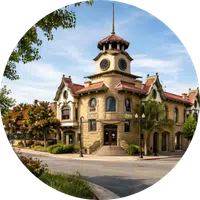


Looking for homes in Morgan Hill?
Get personalized listing alerts delivered to your inbox. Be the first to know about new homes that match your criteria in Morgan Hill.
Get Morgan Hill Listing Alerts →Community Resources
Morgan Hill Essential Services


Official Sources
Ready to find your perfect home in Morgan Hill?
Browse all available Morgan Hill listings, explore neighborhood guides, and get personalized market insights.
Search Morgan Hill Homes →Timothy Alston
Broker · DRE# 01328224
Aegis Luxury Real Estate
Harvard Business School Online, Certified Master Negotiation
23+ Years Silicon Valley Real Estate Experience
Retired Military Veteran
Copyright © 2026 MLSListings Inc. All rights reserved.
The data relating to real estate for sale on this display comes in part from the Internet Data Exchange program of the MLSListings™ MLS system. Real estate listings held by brokerage firms other than Aegis Luxury Real Estate are marked with the Internet Data Exchange icon and detailed information about them includes the names of the listing brokers and listing agents.
Based on information from the MLSListings MLS as of June 11, 2026. All data, including all measurements and calculations of area, is obtained from various sources and has not been, and will not be, verified by broker or MLS. All information should be independently reviewed and verified for accuracy. Properties may or may not be listed by the office/agent presenting the information.
These statistics are generated using information from the MLSListings Inc. multiple listing service, but have not been verified and are not guaranteed. MLSListings Inc. disclaims any responsibility for the accuracy and reliability of these statistics. This information should not be relied upon for real estate transaction decisions.
Data updated every 15 minutes. Visit www.MLSListings.com for more information.
Information provided is for general informational purposes only. Equal Housing Opportunity. If you are currently working with a real estate agent, this is not intended as a solicitation.
Aegis Luxury Real Estate · Timothy Alston, Broker, DRE# 01328224 · 10080 N. Wolfe Rd Ste SW3-200, Cupertino CA 95014 · (408) 207-4593
Last updated: July 11, 2026 | Data reflects July 2026 MLS statistics