


















The Hidden Opportunity Still Waiting for Los Altos Sellers

Timothy Alston | Broker
Aegis Luxury Real Estate · DRE# 01328224
Published
August 25, 2021
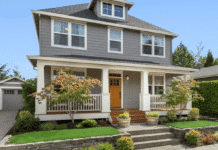
Timeless suburban elegance
The Los Altos real estate market still favors sellers in a meaningful way. Housing inventory remains well below balanced levels, buyer demand continues to outpace available listings, and roughly 75 percent of consumers surveyed in Fannie Mae’s Home Purchase Sentiment Index say right now is a good time to sell. That combination of conditions is rare, and it is worth understanding before you decide whether to move.
You know how it can feel like you are always waiting for the “right” moment? Waiting for rates to shift, or for the market to settle, or for life to line up just perfectly? A lot of homeowners in Los Altos have been in that same holding pattern. But here is the part most people have not stopped to think about yet: the window that makes selling so favorable right now is quietly getting smaller every month. Does that change how you are thinking about your timeline?
What Does Your Current Situation Actually Look Like?
Before anything else, it helps to get honest with yourself about where you are right now. Are you in a home that no longer fits your life? Have you been thinking about downsizing, relocating, or unlocking the equity you have built up over the years?
How long have you been sitting with that thought? And what has staying put actually cost you, not just financially, but in terms of the life you pictured yourself living by now?
These are not rhetorical questions. They are the kinds of things worth sitting with before you look at any market data. Because the data only matters if it connects to something real in your life.
Why Sellers Still Hold the Advantage in This Market
Here is what the numbers actually show. According to the National Association of Realtors, housing supply is still well below the level considered balanced between buyers and sellers. In a balanced market, there are typically around six months of available inventory. Right now, supply is a fraction of that. That gap is what creates leverage for anyone who decides to sell.
What does that leverage actually mean for you? It means buyers are competing for fewer options. It means homes in Los Altos are still moving quickly. It means you, as a seller, have more negotiating power over price, terms, and timing than you would in a normal market.
Have you ever stopped to think about what your home is worth in this kind of environment versus what it might be worth if inventory rises and competition softens? The difference could be significant.
The Shift That Is Already Happening
Here is where it gets important. The advantage sellers still hold is real, but it is not permanent. Danielle Hale, Chief Economist at realtor.com, noted recently that more homeowners are listing homes compared to a year ago, and that new listings are gradually shifting market conditions in favor of buyers.
In plain terms: more homes are entering the market each month. Inventory is still low, but it is climbing. And as buyers gain more options to choose from, your home will naturally receive less attention than it would today.
Can you see how that works? The longer you wait, the more competition your listing will face. Not dramatically, not overnight, but steadily and consistently. The scale is still tipped in your direction right now. The question is how long you want to wait before it levels out.
What would it mean for you to sell this year while demand is still high, instead of listing six months from now when buyers have meaningfully more choices? How would that difference in timing affect what you walk away with?
What Happens If Nothing Changes?
This is the question most people avoid. If you keep waiting, if you stay in the same house, in the same situation, for another year or two, where does that leave you?
If home equity is part of your retirement picture, or your plan to buy your next home, or your ability to move closer to family, then waiting is not a neutral decision. It is a choice that carries its own cost. The sellers’ market will not last forever. Inventory trends confirm it is already shifting, slowly but clearly.
What would it take for you to look back a year from now and say you made the right call?
What the Right Next Step Actually Looks Like
Based on what sellers across the area are experiencing, the combination of low supply and strong buyer demand that defines this moment is the kind of market condition that serious sellers look back on and wish they had moved faster. For anyone considering selling homes in Los Altos, this environment still represents a genuine opportunity.
If you have been thinking about making a move, the next step is not a commitment. It is simply a conversation. A straightforward look at what your home might be worth right now, what the process would look like, and whether the numbers make sense for your specific situation.
Not a pitch. Not pressure. Just clarity. If that sounds like something worth exploring, Timothy Alston, licensed Broker (DRE# 01328224), is available to walk through it with you at (408) 207-4593.
You can also browse current Los Altos homes for sale to get a sense of what the active market looks like right now.
Does that feel like a reasonable next step? If so, you already know what to do.
Schools in Los Altos
Aegis School Excellence Index · 2024-25 performance data
Serving districts: Los Altos SD (K-8), Mountain View-Los Altos Union High SD (9-12). School district boundaries can change; please verify current enrollment boundaries and program offerings directly with the school district.
Consider This
Have you explored how Saratoga’s neighborhoods vary from the foothills to the flatlands in price and character? Get our Saratoga neighborhood-by-neighborhood guide.
Want to talk through your Los Altos options? 15-minute strategy call, no obligation.
Schedule a Call →Los Altos homes with permitted ADUs or guest houses are in extremely high demand from multi-generational families. Highlight these features.
Browse Los Altos homes for sale
Free Download
Get the Complete Los Altos Market Report
Monthly data, neighborhood breakdowns, price trends, and insider analysis delivered to your inbox.
Send Me the Report →Frequently Asked Questions
Still have questions about Los Altos?
I’ve helped hundreds of families buy and sell in Los Altos. Happy to share what I’m seeing in your specific neighborhood.
Free Home Valuation
What’s Your Los Altos Home Worth?
Get an instant estimate powered by RealScout.
Get My Los Altos Home Value →Explore Nearby Cities



Looking for homes in Los Altos?
Get personalized listing alerts delivered to your inbox. Be the first to know about new homes that match your criteria in Los Altos.
Get Los Altos Listing Alerts →Community Resources
Los Altos Essential Services


Official Sources
Ready to find your perfect home in Los Altos?
Browse all available Los Altos listings, explore neighborhood guides, and get personalized market insights.
Search Los Altos Homes →Timothy Alston
Broker · DRE# 01328224
Aegis Luxury Real Estate
Harvard Business School Online, Certified Master Negotiation
23+ Years Silicon Valley Real Estate Experience
Retired Military Veteran
Copyright © 2026 MLSListings Inc. All rights reserved.
The data relating to real estate for sale on this display comes in part from the Internet Data Exchange program of the MLSListings™ MLS system. Real estate listings held by brokerage firms other than Aegis Luxury Real Estate are marked with the Internet Data Exchange icon and detailed information about them includes the names of the listing brokers and listing agents.
Based on information from the MLSListings MLS as of June 11, 2026. All data, including all measurements and calculations of area, is obtained from various sources and has not been, and will not be, verified by broker or MLS. All information should be independently reviewed and verified for accuracy. Properties may or may not be listed by the office/agent presenting the information.
These statistics are generated using information from the MLSListings Inc. multiple listing service, but have not been verified and are not guaranteed. MLSListings Inc. disclaims any responsibility for the accuracy and reliability of these statistics. This information should not be relied upon for real estate transaction decisions.
Data updated every 15 minutes. Visit www.MLSListings.com for more information.
Information provided is for general informational purposes only. Equal Housing Opportunity. If you are currently working with a real estate agent, this is not intended as a solicitation.
Aegis Luxury Real Estate · Timothy Alston, Broker, DRE# 01328224 · 10080 N. Wolfe Rd Ste SW3-200, Cupertino CA 95014 · (408) 207-4593
Last updated: July 10, 2026 | Data reflects July 2026 MLS statistics