


















3 Hidden Things Smart Los Altos Sellers Must Prioritize

Timothy Alston | Broker
Aegis Luxury Real Estate · DRE# 01328224
Published
May 24, 2021
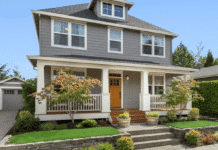
Timeless suburban elegance
When selling a home in Los Altos, there are 3 things every seller needs to prioritize to protect their equity and attract the strongest offers: price it correctly from day one, keep emotions out of the negotiation, and stage the home so buyers can see themselves living there. Miss any one of these, and even a strong market cannot save the outcome.
You know how it goes. You have been watching homes in your neighborhood sell, some quickly, some not. And maybe you have started wondering whether now is the right time to list. But here is the part most people have not stopped to think about yet: a strong seller’s market does not guarantee a strong result. The sellers who walk away with the best outcomes are the ones who get 3 things right before the sign ever goes in the yard.
So let’s talk about what those things actually are, and more importantly, what it might cost you to overlook them.
What Are the 3 Things That Actually Determine Your Sale Price?
Before we get into the specifics, consider this: what does your current housing situation actually look like? Are you living in a home you have outgrown? Are you holding onto a property that no longer fits your life? And how long have you been thinking about making a move without pulling the trigger?
Those answers matter more than you might realize. Because the longer a decision gets delayed, the more the market moves without you. In Los Altos, where inventory stays tight and buyer demand remains consistent, the window for a well-positioned listing can open and close faster than most sellers expect.
Thing 1: Pricing Is a Strategy, Not a Gut Call
Have you ever stopped to think about what happens when a home is priced even slightly above market value? It sits. Days on market accumulate. Buyers start to wonder what is wrong with it. And then the price reduction comes, which signals weakness and invites lower offers.
Here is the counterintuitive part. In a low-inventory market, pricing your home correctly, not aggressively, actually creates more competition. When more qualified buyers can see themselves affording the home, you get multiple offers. Multiple offers drive the final number up. The seller who prices strategically often nets more than the seller who swings for a number that feels right emotionally.
So ask yourself: if pricing slightly lower could generate significantly more at closing, would that change how you think about your list price? A skilled broker can model that scenario for your specific property before you ever go live.
Thing 2: Your Memories Do Not Transfer to the Buyer
This one is harder to talk about. How long have you lived in your home? Five years? Fifteen? Because the data shows that average homeownership tenure has roughly doubled since the mid-1980s, from around five years to closer to ten. And the longer you live somewhere, the more emotionally tangled the decision to sell becomes.
That is not a criticism. It is just human. Every room carries something. The kitchen where kids did homework. The backyard where holidays happened. That weight is real, and it deserves to be acknowledged.
But here is the problem. When sellers let that emotional weight enter the negotiation, it creates friction. A buyer who offers slightly below asking price is not insulting your memories. They are making a business decision. If you respond from emotion, you risk losing a solid deal over a number that a good broker could have bridged in thirty seconds.
What would it mean for your outcome if you had someone handling the back-and-forth who had zero emotional stake in the result? Can you see how that changes the dynamic?
Thing 3: Stage It for the Buyer Who Has Not Met You Yet
Here is a question worth sitting with. When buyers walk through your home, are they seeing a home they could live in, or are they touring your life?
There is a real difference. Personal photos, bold paint choices, furniture arrangements built around your habits. All of that tells the buyer that this space belongs to someone else. And the moment a buyer cannot picture their own furniture, their own mornings, their own family in a space, they emotionally check out. They may still make an offer, but it will be lower, because they are pricing in the renovation they have already decided they need to do.
Staging is one of the 3 things sellers most consistently underinvest in. Clean, declutter, and neutralize. Let the buyer project their own life onto the space. Homes in Los Altos that are properly staged before listing tend to spend fewer days on market and attract stronger first offers, because buyers arrive already imagining themselves there.
Would it be worth a conversation about which rooms matter most for your specific home?
What Happens If You Skip Even One of These?
Based on what sellers across the Los Altos homes for sale market consistently report, the deals that fall apart or close below expectation almost always trace back to one of these three areas. An overpriced listing that had to chase the market down. A negotiation that collapsed because the seller took a low offer personally. A home that sat because buyers could not connect with the space.
What happens if nothing changes in how you approach this? If you list without addressing these 3 things, where does that leave you six months from now? Still on the market? Having reduced twice? Those are not rhetorical questions. They are the actual outcomes sellers face when they prioritize convenience over strategy.
Los Altos real estate rewards preparation. The sellers who do the work before listing are the ones who close strong and move on with confidence.
If you are thinking about selling and want a straightforward look at where your home stands on all three of these, Timothy Alston is available for a no-pressure conversation. No pitch. Just an honest assessment of your situation and what the numbers might look like. Call or text: (408) 207-4593.
Does it make sense to have that conversation before you commit to anything? If so, the next step is yours to take whenever you are ready.
Schools in Los Altos
Aegis School Excellence Index · 2024-25 performance data
Serving districts: Los Altos SD (K-8), Mountain View-Los Altos Union High SD (9-12). School district boundaries can change; please verify current enrollment boundaries and program offerings directly with the school district.
Consider This
Have you explored how Saratoga’s neighborhoods vary from the foothills to the flatlands in price and character? Get our Saratoga neighborhood-by-neighborhood guide.
Want to talk through your Los Altos options? 15-minute strategy call, no obligation.
Schedule a Call →In Los Altos, dual-pane windows and energy-efficient HVAC systems are expected by buyers, not bonus features. Upgrade before listing if yours are outdated.
Browse Los Altos homes for sale
Free Download
Get the Complete Los Altos Market Report
Monthly data, neighborhood breakdowns, price trends, and insider analysis delivered to your inbox.
Send Me the Report →Frequently Asked Questions
Still have questions about Los Altos?
I’ve helped hundreds of families buy and sell in Los Altos. Happy to share what I’m seeing in your specific neighborhood.
Free Home Valuation
What’s Your Los Altos Home Worth?
Get an instant estimate powered by RealScout.
Get My Los Altos Home Value →Explore Nearby Cities



Looking for homes in Los Altos?
Get personalized listing alerts delivered to your inbox. Be the first to know about new homes that match your criteria in Los Altos.
Get Los Altos Listing Alerts →Community Resources
Los Altos Essential Services


Official Sources
Ready to find your perfect home in Los Altos?
Browse all available Los Altos listings, explore neighborhood guides, and get personalized market insights.
Search Los Altos Homes →Timothy Alston
Broker · DRE# 01328224
Aegis Luxury Real Estate
Harvard Business School Online, Certified Master Negotiation
23+ Years Silicon Valley Real Estate Experience
Retired Military Veteran

Copyright © 2026 MLSListings Inc. All rights reserved.
The data relating to real estate for sale on this display comes in part from the Internet Data Exchange program of the MLSListings™ MLS system. Real estate listings held by brokerage firms other than Aegis Luxury Real Estate are marked with the Internet Data Exchange icon and detailed information about them includes the names of the listing brokers and listing agents.
Based on information from the MLSListings MLS as of July 7, 2026. All data, including all measurements and calculations of area, is obtained from various sources and has not been, and will not be, verified by broker or MLS. All information should be independently reviewed and verified for accuracy. Properties may or may not be listed by the office/agent presenting the information.
These statistics are generated using information from the MLSListings Inc. multiple listing service, but have not been verified and are not guaranteed. MLSListings Inc. disclaims any responsibility for the accuracy and reliability of these statistics. This information should not be relied upon for real estate transaction decisions.
Data updated every 15 minutes. Visit www.MLSListings.com for more information.
Information provided is for general informational purposes only. Equal Housing Opportunity. If you are currently working with a real estate agent, this is not intended as a solicitation.
Aegis Luxury Real Estate · Timothy Alston, Broker, DRE# 01328224 · 10080 N. Wolfe Rd Ste SW3-200, Cupertino CA 95014 · (408) 207-4593
Last updated: July 07, 2026 | Data reflects July 2026 MLS statistics