















Hidden Expert Truth About Sunnyvale Home Prices
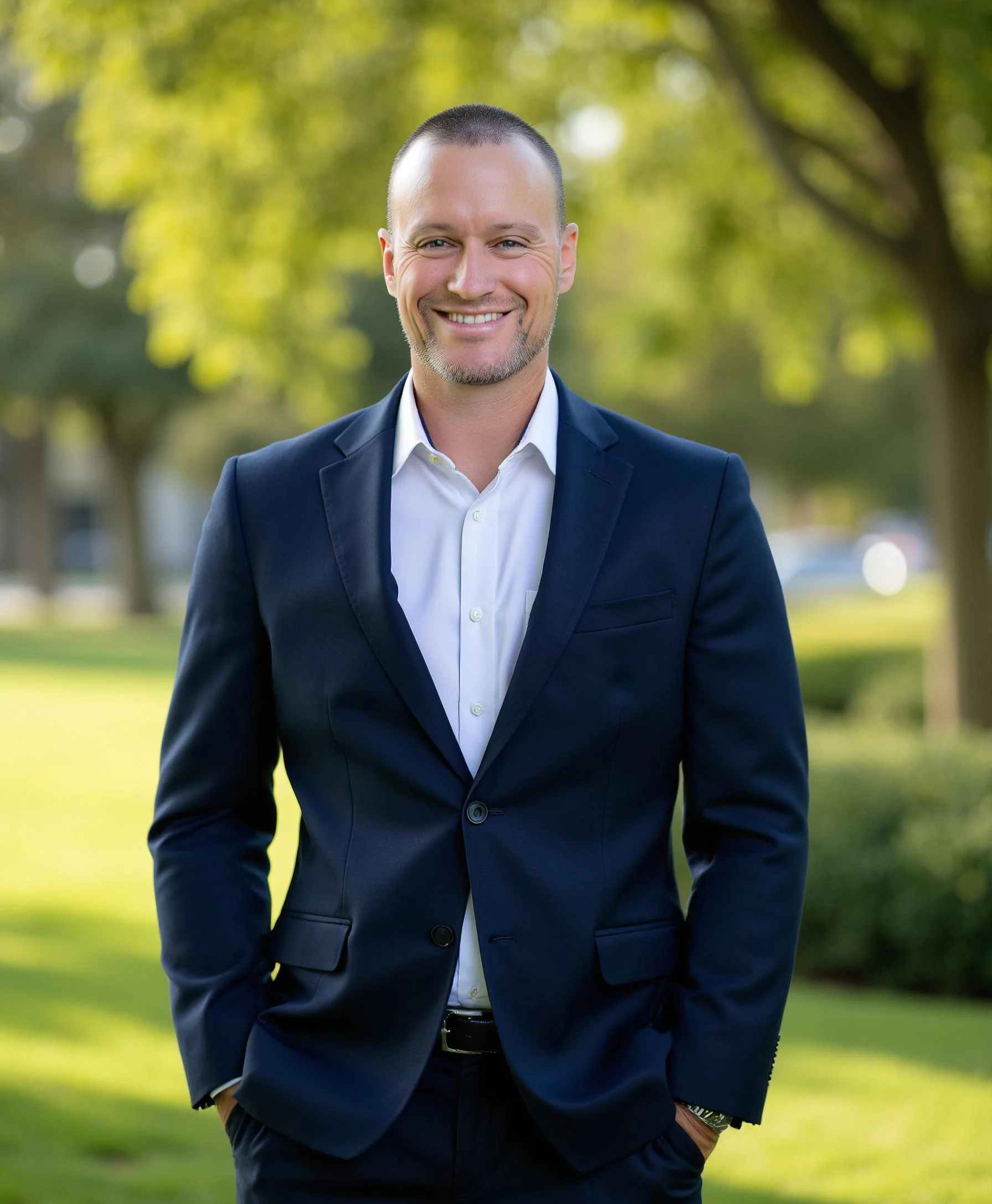
Timothy Alston | Broker
Aegis Luxury Real Estate · DRE# 01328224
Published
May 11, 2021
Family-friendly tech hub
Experts say home prices in Sunnyvale are not headed for a crash. Four major financial institutions, including Goldman Sachs, J.P. Morgan, Morgan Stanley, and Merrill Lynch, each reached the same conclusion independently: demand remains strong, supply remains tight, and price appreciation is expected to continue. If you have been waiting for prices to dip before buying, that strategy carries real risk.
You know how it feels when every headline seems to be warning you about a bubble? And then you search online, and suddenly everyone seems to be asking the same question you are asking? Google recently reported that searches for “When is the housing market going to crash?” spiked by more than 2,400% in a single month. So if you have been wondering whether this market is built on shaky ground, you are not alone.
But here is the part most people have not stopped to think about yet. What if the experts say something very different from what the headlines are suggesting? What if the fear itself is costing you more than the market ever would?
What Does Your Current Situation Actually Look Like?
Before we get into what the analysts are saying, take a moment to think about where you stand right now. Are you renting in Sunnyvale and watching your monthly costs climb while your equity stays at zero? Are you sitting on a property and wondering whether now is the right moment to move? Or are you somewhere in between, waiting for certainty that may never fully arrive?
What would it mean for you if home prices in your target neighborhood continued rising for another two to three years while you waited? That is not a rhetorical question. It is worth doing the math on your specific situation, because the numbers tend to change the conversation quickly.
What Experts Say About Why This Market Is Different
Here is where the data gets interesting. Within a 30-day window, four of the largest financial institutions in the world each published independent analysis reaching essentially the same conclusion. These are not real estate cheerleaders. These are institutions with enormous financial stakes in getting the call right.
Goldman Sachs noted that strong demand for housing looks sustainable, pointing to demographic tailwinds and historically low mortgage rates that were already pushing demand to elevated levels even before the pandemic. Their model projected double-digit home price gains in consecutive years. Does that sound like a market about to collapse?
J.P. Morgan’s Senior Markets Economist put it plainly: housing prices have spiked, but a near-term decline is not expected, and prices are more likely to keep rising. He added that conditions for buyers today may actually be more favorable than conditions 12 months out. That is a statement worth sitting with for a moment.
Morgan Stanley pointed to something that directly addresses the bubble concern. Unlike the situation 15 years ago, today’s appreciation comes down to basic supply and demand, not speculation or loose lending. Tight mortgage standards, strong buyer demand, and constrained inventory form what they called a “sustainably sturdy foundation.” Higher rates may slow the pace, but the upward direction remains on course.
Merrill Lynch framed it as potentially one of the longest and strongest housing expansions on record, driven by the largest demographic cohort in history moving through peak home-buying years at the same time supply sits at record-low levels.
Why Experts Say Supply and Demand Still Favor Sellers and Buyers Who Act
If you are thinking about Sunnyvale homes for sale, this supply-demand imbalance is not an abstract concept. It shows up in real listing prices, real offer strategies, and real closing costs every week in this market. Homes in Sunnyvale have consistently attracted multiple offers in competitive price bands, and available inventory has remained well below historical norms across Santa Clara County.
Here is a question worth asking yourself: if four independent institutions, each with billions of dollars riding on their analysis, all say home prices are more likely to rise than fall, what would it take to convince you that waiting is the safer move?
And on the flip side: if you are a current homeowner thinking about selling, what is the cost of waiting another year if appreciation continues at its current pace? You would be selling into a market that has moved further in your favor. But you would also be buying into that same market. Can you see how the timing decision cuts both ways?
What Happens If Nothing Changes?
Here is the consequence question that rarely gets asked. If you keep doing exactly what you are doing right now for the next three to five years, where does that leave you? If you are renting, how much will you have paid out with nothing to show in equity? If you are a homeowner sitting on significant appreciation but delaying a move for fear of the next purchase, what opportunity are you leaving on the table?
Experts say that inaction in a rising-price environment is itself a financial decision. It is just one that tends to feel neutral until you run the numbers. The average gap between homeowner and renter net worth, according to the National Association of Realtors, is substantial enough that even modest appreciation over a decade compounds into a life-changing difference. How would building that kind of equity change things for you and your family?
The Sunnyvale market does not pause while you decide. Property values here have shown resilience through multiple economic cycles, and the structural factors experts point to, which include tight supply and persistent buyer demand, remain firmly in place.
What Would the Right Next Step Look Like for You?
This is not about pressure. If the timing is wrong for your situation, it is wrong, and no amount of expert analysis changes that. But if what you have read here resonates with where you are right now, would it make sense to have a straightforward conversation about what the numbers look like specifically for your situation in Sunnyvale?
Not a pitch. Not a sales call. Just an honest look at where you are, where you want to be, and whether the current market conditions line up with your goals. Timothy Alston, Broker (DRE# 01328224) at Aegis Luxury Real Estate, works with buyers and sellers in Sunnyvale and across Silicon Valley every day. If this is the conversation you have been putting off, reach out at (408) 207-4593. How would you like to proceed?
Schools in Sunnyvale
Aegis School Excellence Index · 2024-25 performance data
Serving districts: Sunnyvale SD (K-8), Fremont Union High SD (9-12). School district boundaries can change; please verify current enrollment boundaries and program offerings directly with the school district.
Consider This
Have you explored how Saratoga’s neighborhoods vary from the foothills to the flatlands in price and character? Get our Saratoga neighborhood-by-neighborhood guide.
Want to talk through your Sunnyvale options? 15-minute strategy call, no obligation.
Schedule a Call →Sunnyvale sellers should time their listing to avoid competing with new construction inventory. When major developments release units, resale homes can see reduced attention.
Browse Sunnyvale homes for sale
Free Download
Get the Complete Sunnyvale Market Report
Monthly data, neighborhood breakdowns, price trends, and insider analysis delivered to your inbox.
Send Me the Report →Frequently Asked Questions
Still have questions about Sunnyvale?
I’ve helped hundreds of families buy and sell in Sunnyvale. Happy to share what I’m seeing in your specific neighborhood.
Free Home Valuation
What’s Your Sunnyvale Home Worth?
Get an instant estimate powered by RealScout.
Get My Sunnyvale Home Value →


Looking for homes in Sunnyvale?
Get personalized listing alerts delivered to your inbox. Be the first to know about new homes that match your criteria in Sunnyvale.
Get Sunnyvale Listing Alerts →Community Resources
Sunnyvale Essential Services


Official Sources
Ready to find your perfect home in Sunnyvale?
Browse all available Sunnyvale listings, explore neighborhood guides, and get personalized market insights.
Search Sunnyvale Homes →Timothy Alston
Broker · DRE# 01328224
Aegis Luxury Real Estate
Harvard Business School Online, Certified Master Negotiation
23+ Years Silicon Valley Real Estate Experience
Retired Military Veteran
Copyright © 2026 MLSListings Inc. All rights reserved.
The data relating to real estate for sale on this display comes in part from the Internet Data Exchange program of the MLSListings™ MLS system. Real estate listings held by brokerage firms other than Aegis Luxury Real Estate are marked with the Internet Data Exchange icon and detailed information about them includes the names of the listing brokers and listing agents.
Based on information from the MLSListings MLS as of June 10, 2026. All data, including all measurements and calculations of area, is obtained from various sources and has not been, and will not be, verified by broker or MLS. All information should be independently reviewed and verified for accuracy. Properties may or may not be listed by the office/agent presenting the information.
These statistics are generated using information from the MLSListings Inc. multiple listing service, but have not been verified and are not guaranteed. MLSListings Inc. disclaims any responsibility for the accuracy and reliability of these statistics. This information should not be relied upon for real estate transaction decisions.
Data updated every 15 minutes. Visit www.MLSListings.com for more information.
Information provided is for general informational purposes only. Equal Housing Opportunity. If you are currently working with a real estate agent, this is not intended as a solicitation.
Aegis Luxury Real Estate · Timothy Alston, Broker, DRE# 01328224 · 10080 N. Wolfe Rd Ste SW3-200, Cupertino CA 95014 · (408) 207-4593
Last updated: July 07, 2026 | Data reflects July 2026 MLS statistics