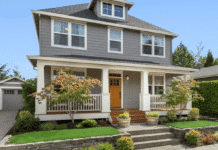



















The Smart Mistake Buyers of New Homes in Gilroy Make

Timothy Alston | Broker
Aegis Luxury Real Estate · DRE# 01328224
Published
December 07, 2023
Garlic capital, South Valley gateway
Skipping professional representation when buying new homes in Gilroy is one of the most overlooked ways buyers end up overpaying, missing inspection red flags, and surrendering negotiation leverage at the worst possible moment. Builder contracts and incentive structures in new home developments carry terms most buyers have never encountered. A skilled broker brings local pricing knowledge, vetted professional networks, and negotiation expertise that close the gap between a smart deal and a costly one.
You know how it goes. You find a home you love, and then the process starts multiplying. Inspections. Appraisals. Counteroffers. Pages of contract language you have never read before. A lot of buyers in Gilroy are dealing with exactly that right now, and most of them did not see it coming.
But here is the part most people have not stopped to think about yet. The real cost of navigating all of that without someone who has done it hundreds of times is not just stress. It shows up in the final price, in the terms you agreed to without realizing you could have pushed back, and in the repairs you paid for after closing that a trained eye would have caught.
So before you take another step, it is worth asking yourself one honest question: what would it actually mean for your outcome if you had someone in your corner who already knew every move before you got there?
What Do New Homes in Gilroy Actually Demand From a Buyer?
Have you ever stopped to think about how many decisions get made between the moment you find a home and the moment you hold the keys? In the Gilroy market, where inventory stays tight and both home prices and mortgage rates remain elevated, there is very little room for error. You are trying to learn the process at the same time you are trying to win the home. Those two things do not go well together.
After the housing crisis, buyers across Santa Clara County became far more cautious about the process. Pre-approval requirements tightened, escrow timelines grew more complex, and the number of contingencies buyers needed to understand multiplied. In Gilroy, where commuter demand from the South Bay was beginning to push property values higher, buyers who worked with experienced brokers consistently secured better contract terms than those who went alone. The lesson from that era was not about timing. It was about preparation.
What does your housing situation actually look like right now? Are you renting month to month, watching your costs climb while your equity stays at zero? Or are you already browsing Gilroy homes for sale but unsure whether what you are seeing is priced fairly?
Either way, the gap between where you are and where you want to be is real. And the question worth sitting with is what it costs you to stay in that gap.
Why Real Estate Knowledge Is Not Equally Distributed
The National Association of Realtors surveys recent homebuyers every year. In their most recent annual report, buyers named a real estate professional as the single most useful source of information in the entire buying process. Not a search algorithm. Not a listing platform. A broker who knew the market, understood the process, and knew what to watch for.
Does that surprise you? Think about what it actually means. People who had already been through the process, who already knew what helped and what cost them, pointed to one thing above everything else. Can you see how that should change the way you are thinking about this decision?
During the pandemic-era run-up, buyers across the South Bay and into Gilroy were writing offers sight unseen, waiving contingencies, and competing against dozens of other buyers on single properties. Buyers without professional guidance during that period were statistically more likely to overbid without leverage or miss inspection issues that became expensive repairs after closing. Average listing prices in Gilroy climbed significantly during this era, making the stakes of each individual decision far higher than in previous market cycles.
The Overlooked Value of Local Expertise When Exploring New Homes in Gilroy
Here is what an experienced broker actually does when you are buying in a market like this. They help you understand the difference between an inspection and an appraisal, and why both shape your final decision. They walk through properties with trained eyes and catch things you would never think to look for: drainage patterns, roof wear, signs of deferred maintenance that quietly shift your negotiating position.
One of the most useful questions you can ask yourself is whether you really know the difference between one neighborhood in Gilroy and the next. Which areas hold their value through a softer market? Which pockets near Highway 101 sell faster because commute access drives buyer demand from San Jose and further north? Which blocks have seen newer infrastructure investment that supports long-term property values?
A broker who works this market regularly knows those answers. They also know the specific contract structures that builders use in new homes in Gilroy, where builder incentives can look attractive on the surface but shift closing costs or loan terms in ways that matter over a 30-year mortgage. Are you confident you would catch that on your own?
Being smart Gilroy buyers means asking those questions before you sign, not after. The buyers who avoid costly surprises are not necessarily the most experienced. They are the ones who knew what questions to ask and had someone to ask them to. Does that make sense?
With mortgage rates stabilizing but remaining elevated compared to the low-rate era, today’s Gilroy real estate market rewards buyers who move with precision rather than speed. Closing costs, loan terms, and offer strategy all carry more weight than they did when rates were near historic lows. Buyers working with a local professional who understands current inventory and pricing trends are better positioned to make offers that succeed without overpaying. Home equity accumulation in this environment still favors ownership, but the path there requires informed guidance from someone who knows the specific dynamics of new homes in Gilroy and resale inventory alike.
There is also the network question. A real estate transaction involves a lot of professionals: inspectors, escrow officers, title insurance companies, lenders. When something needs to happen quickly, having a broker with established relationships in those areas means the process keeps moving instead of stalling at the moment you can least afford it. How much would a two-week delay cost you if you were already locked into a rate?
What Happens If You Keep Waiting on New Homes in Gilroy?
What if nothing changes? If you stay on the sideline for the next two or three years, where does that leave you? The rent you pay in that time builds no home equity. The prices you are watching today may not come down to meet you. And the process knowledge you would have gained by going through it once, with guidance, does not arrive for free.
Homes in Gilroy averaged just 10 days on market as of recent data, with an average price near $1.67 million. That pace leaves very little margin for hesitation, and even less for learning the process as you go. Buyers who have a skilled broker coordinating their pre-approval, offer strategy, and due diligence are navigating that pace. Buyers who do not are often watching from the outside.
That is not pressure. That is just the math of waiting versus moving with the right support in your corner. A mistake smart buyers avoid is assuming they can figure out builder contracts and offer strategy on the fly. The cost of that assumption shows up later, not in the moment.
If this is starting to feel like the right direction, the next step is a straightforward conversation with Timothy Alston, licensed Broker (DRE# 01328224) at Aegis Luxury Real Estate. Not a pitch. Just a clear look at where you are, what the Gilroy real estate market looks like right now, and what the path forward could realistically mean for you.
Would that kind of conversation be worth 15 minutes of your time? Call (408) 207-4593.
Schools in Gilroy
Aegis School Excellence Index · 2024-25 performance data
Serving districts: Gilroy Unified SD (K-12). School district boundaries can change; please verify current enrollment boundaries and program offerings directly with the school district.
Consider This
If you could own a newer-construction home in Milpitas at a fraction of Cupertino prices, would you look? Compare Milpitas new construction options and see the value difference.
Want to talk through your Gilroy options? 15-minute strategy call, no obligation.
Schedule a Call →If you are a first-time buyer, Gilroy often has more inventory in the entry-level price range than any other Santa Clara County city. Start your search here.
Browse Gilroy homes for sale
Free Download
Get the Complete Gilroy Market Report
Monthly data, neighborhood breakdowns, price trends, and insider analysis delivered to your inbox.
Send Me the Report →Frequently Asked Questions
Still have questions about Gilroy?
I’ve helped hundreds of families buy and sell in Gilroy. Happy to share what I’m seeing in your specific neighborhood.
Free Home Valuation
What’s Your Gilroy Home Worth?
Get an instant estimate powered by RealScout.
Get My Gilroy Home Value →


Looking for homes in Gilroy?
Get personalized listing alerts delivered to your inbox. Be the first to know about new homes that match your criteria in Gilroy.
Get Gilroy Listing Alerts →Community Resources
Gilroy Essential Services


Official Sources
Ready to find your perfect home in Gilroy?
Browse all available Gilroy listings, explore neighborhood guides, and get personalized market insights.
Search Gilroy Homes →Timothy Alston
Broker · DRE# 01328224
Aegis Luxury Real Estate
Harvard Business School Online, Certified Master Negotiation
23+ Years Silicon Valley Real Estate Experience
Retired Military Veteran
Copyright © 2026 MLSListings Inc. All rights reserved.
The data relating to real estate for sale on this display comes in part from the Internet Data Exchange program of the MLSListings™ MLS system. Real estate listings held by brokerage firms other than Aegis Luxury Real Estate are marked with the Internet Data Exchange icon and detailed information about them includes the names of the listing brokers and listing agents.
Based on information from the MLSListings MLS as of June 12, 2026. All data, including all measurements and calculations of area, is obtained from various sources and has not been, and will not be, verified by broker or MLS. All information should be independently reviewed and verified for accuracy. Properties may or may not be listed by the office/agent presenting the information.
These statistics are generated using information from the MLSListings Inc. multiple listing service, but have not been verified and are not guaranteed. MLSListings Inc. disclaims any responsibility for the accuracy and reliability of these statistics. This information should not be relied upon for real estate transaction decisions.
Data updated every 15 minutes. Visit www.MLSListings.com for more information.
Information provided is for general informational purposes only. Equal Housing Opportunity. If you are currently working with a real estate agent, this is not intended as a solicitation.
Aegis Luxury Real Estate · Timothy Alston, Broker, DRE# 01328224 · 10080 N. Wolfe Rd Ste SW3-200, Cupertino CA 95014 · (408) 207-4593
Last updated: August 21, 2026 | Data reflects August 2026 MLS statistics