![Is It Still a Seller's Market? Here's What the Data Says. Remember a few years back when sellers held all the power and buyers were stuck offering way over asking or waiving inspections just to get a chance at the house? In many markets, those days are behind us. While it’s going to vary by area, more metros are slowly shifting to favor buyers, and the market is starting to look a lot more like a two-way street again. And that balance is something we haven’t had in a while. Whether you're buying or selling, here's what you need to know about what's changing and what it means for your move. The Most Buyer-Friendly Market in YearsThe national data tells an interesting story right now. According to Realtor.com: "The national housing market is balanced but gradually loosening as the cycle moves in a more buyer-friendly direction . . ." That’s because, over the past few years, more and more metros have been flipping back to more buyer-friendly terms as inventory’s grown. And when you zoom in on the latest Realtor.com data for the top 50 metro markets over time, the trend becomes really clear (see graph below). Back in 2021, almost all major metros were seller's markets. By the end of 2025, only 1 in 3 still favored sellers. That's an obvious shift. And that changes how the market is going to feel for everyone. Sellers shouldn’t still expect 2021 conditions, but neither should buyers. At least, not generally speaking. It’s Not the Same Story EverywhereThat said, who has the power ultimately depends on where you live. While more metros are leaning buyer-friendly lately, there are still plenty of strong seller's markets right now, too. It really comes down to how much housing supply and demand there is in your area. And that varies enormously by region. Sun Belt cities like Austin, Tampa, and San Antonio saw major building booms in recent years, giving buyers more options and more negotiating room. Meanwhile, cities in the Northeast and Midwest – think Rochester, Hartford, and Buffalo – didn't see that same wave, so inventory stayed tight and competition stayed fierce. As Jeff Ostrowski, Housing Analyst at Bankrate, explains: “The formerly hot Sun Belt markets have cooled, while the Northeast and Midwest have stayed hot. The big driver here is construction activity. The softest markets now [have] experienced big booms that spurred new building, and that has led to a large supply of new and existing homes on the market in those places.” Practical Advice for Your MoveTo find out who has the power in your local market, talk to an agent. Because knowing what’s happening locally is going to be the key to setting the right strategy for your move. If the market is working in your favor, great. Lean in and use it to your benefit. But if it’s not, all hope isn’t lost. Your agent can help you figure out how to approach any market. Here's some practical advice if there’s a mismatch between your goal and local market conditions. If you're buying in a seller's market: - Get pre-approved before you start shopping. It shows sellers you're serious. - Be ready to act fast when the right home hits the market. - Consider offering a quick closing date or flexible terms. - Work closely with your agent to craft a competitive offer. If you're selling in a buyer's market: - Price it right from day one. Overpricing will cost you time and money. - Focus on curb appeal and staging to stand out in areas with more inventory. - Be open to offering incentives, like covering closing costs or a home warranty. - Expect buyers to negotiate and be ready to be flexible. Bottom LineRight now, local markets are moving in very different directions. And your strategy as a buyer or seller should reflect your market. Is It Still a Seller's Market? Here's What the Data Says.](https://alstonhomes.com/wp-content/uploads/6-18-26-218x150.png "Is It Still a Seller’s Market? Here’s What the Data Says.")




















an old house that needs a little work — okay, maybe a lot of work — but its character and charm are exactly what you are dreaming of in a home.
Fixer-uppers are appealing, especially if you think there is potential in a property. Bonus if you are an HGTV fan. It also seems like a great idea if you want to save money on your home purchase. Likewise, the opportunity to put personalized touches and let your creativity show in the home can be exciting.

The problem starts when you realize that not all fixer-uppers are equal and worthwhile. And if you are not careful, that fixer-upper might turn out to be a money pit that could transform your dream project into an expensive nightmare.
A fixer-upper VS a money pit: How to tell
Generally speaking, a fixer-upper is a house that is structurally sound and should only need general maintenance and cosmetic repairs. The biggest thing to remember when purchasing a fixer-upper is to look beyond the surface. A money pit, on the other hand, has many major flaws and expensive issues that require extensive professional assistance to make it more livable. As long as the general systems of a home are in good shape, your budget is best allocated to refreshing the property instead of repairing it.
If the fixer-upper you are looking to purchase is plagued with even one or more of these huge deal-breakers, it’s time to consider running the other way.

The bones or foundation that supports the entire house and what is holding it together. Without a solid foundation, it is impossible to have a structurally sound home. Serious issues with the structure are a large, expensive, and time-consuming undertaking to fix that could potentially turn your deal into an ordeal.
Therefore, it is probably the most important thing to look at when hunting for a worthwhile fixer-upper. Keep an eye out not only for large cracks, but also for bowing walls, shifting masonry, uneven floors, and even moisture in the basement or crawl space when viewing a home. Better still, bring in a structural engineer or a foundation repair professional to inspect the foundation very carefully. If there’s anything questionable about the structural integrity of the house, the expense involved in repairing the home may end up being more than you’re willing to spend.

Water is meant to be confined within the building structure, such as pipes and plumbing. When it runs unabated in crawl spaces, basements, floors, or walls, it can cause significant water damage, which is disastrous, and a giant red flag. Moisture can damage a home visibly by warping the walls. Even a slow leak will rot out drywall, and could eventually weaken structural elements such as joists and beams.
Worst is, mold can thrive, which can cause serious health implications and be costly to remediate. Be aware of any damp smell, scour the ceilings for signs of leaks, and check every inch of the basement and foundation for cracks or water.
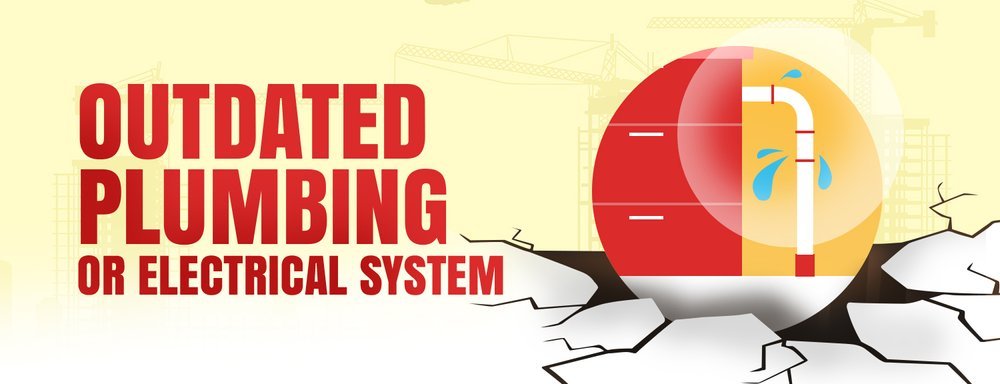
Another simple point to remember, if the mechanical systems of a home, including plumbing, electrical system, and heating, need a complete overhaul, you might want to think twice before taking that fixer-upper. These can all be expensive to update and have finite lifespans. Plus, outdated electrical systems can be extremely hazardous and cause electrocution or fire hazards. The value of fixing those problems will far outweigh the good, potentially leaving you out of pocket.
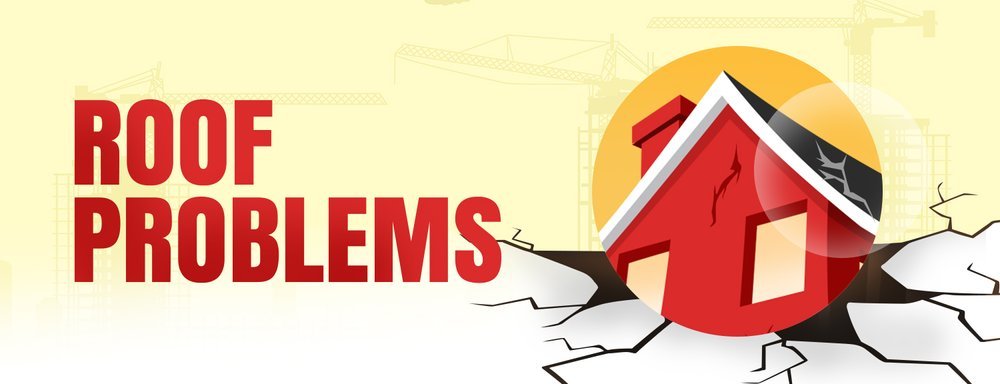
Many fixer-uppers might need at least some level of roof repairs, such as replacing some cracked, or missing shingles. But if the roof is already sagging, there are multiple layers of shingles, or the shingles are dry, cracked, and brittle, and you find evidence of major leaks on the ceilings, then it’s a different matter. A complete roof replacement can cost you thousands of dollars, so you must know the age of the roof before buying.
Not to mention, severe damage to the roof could also cause a myriad of issues, such as damage to the sheathing, trusses, beams, and rafters, resulting in water damage, mold, or structural issues, from wood rot. Unfortunately, none of these repairs are cheap.

Lastly, be diligent with pests that can eat away at your house and budget. Especially if there is termite damage, or worse, an active case of termites, treating the home can be incredibly costly. The structural damage these wood-boring insects cause can be more problematic because it is not always visible. When checking a fixer-upper or any home, look carefully for signs of an infestation, including crumbling, damaged wood, buckling wooden or laminate floors, mounds of termite pellets, mud tubes climbing foundation walls, or discolored or drooping drywall.
If you suspect a termite infestation, make sure to enlist the help of professionals such as exterminators and structural engineers to help you understand the full extent of the damage. Catching the damage early, could mean you’ll only need to cover the cost of extermination/treatment. However, finding it late should be your cue to look for a more worthwhile fixer-upper.